
Blue Ridge Parkway: A First Time Visitor Guide
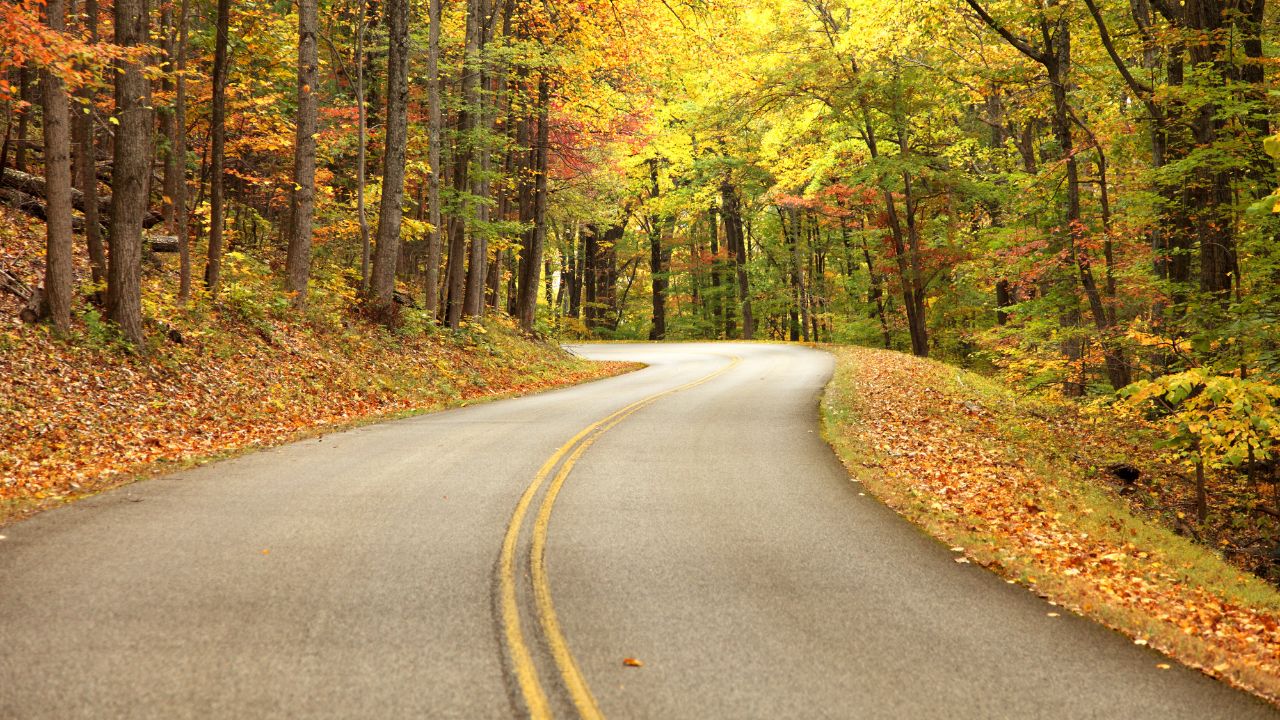
The Blue Ridge Parkway is considered one of the most iconic and (by many) the best scenic drives you can explore in the entire United States. I’ve personally driven through most of it over a few road trips and there is a lot of truth to it’s beauty and the experience you get when you’re on it, but at the same time knowing how to explore it correctly can really enhance the experience, especially if you’re a 1st timer checking it out and this is exactly who this post is geared towards. You’ll learn about this place, it’s history and the best stops to make when you travel through here.
Basic info:
- Name: Blue Ridge Parkway
- Location: Spans from North Carolina to Virginia
- Entry fee? Free
- Things to do: Scenic drives, camping, hiking, road trips and more
- Hotels: See the best hotels on the Blue Ridge Parkway
Overview:
The Blue Ridge Parkway is a leisurely drive that winds through the Appalachian Highlands, with elevations ranging from 600 to 6,000 feet. Along the way, you’ll find scenic overlooks, hiking trails, historic landmarks, and visitor centers that provide a deep dive into the natural and cultural history of the region. These are all available throughout the drive and you will see many signs for each attraction throughout.
There are also countless access/exit points throughout the Blue Ridge Parkway which provide you with the ability to explore parts of it or if you choose to, all of it. Many people elect to explore small sections of it, then exit and stay at nearby hotels, whilst others drive the entire road, explore the camp sites, stay overnight and continue further. Motorcycling and biking through this drive is also a popular activity.
Best times to visit:
The Blue Ridge Parkway offers something special in every season, so the best time to visit depends on what you hope to see and experience.
- Spring (April to June): This is the perfect time for those who love wildflowers and lush greenery. The Appalachian Mountains bloom with rhododendrons, mountain laurels, and other vibrant flora.
- Summer (June to August): Summer is ideal for outdoor enthusiasts. The weather is warm, and the high elevations provide a cool retreat from the summer heat. This is a busy time, so expect more traffic and full campgrounds.
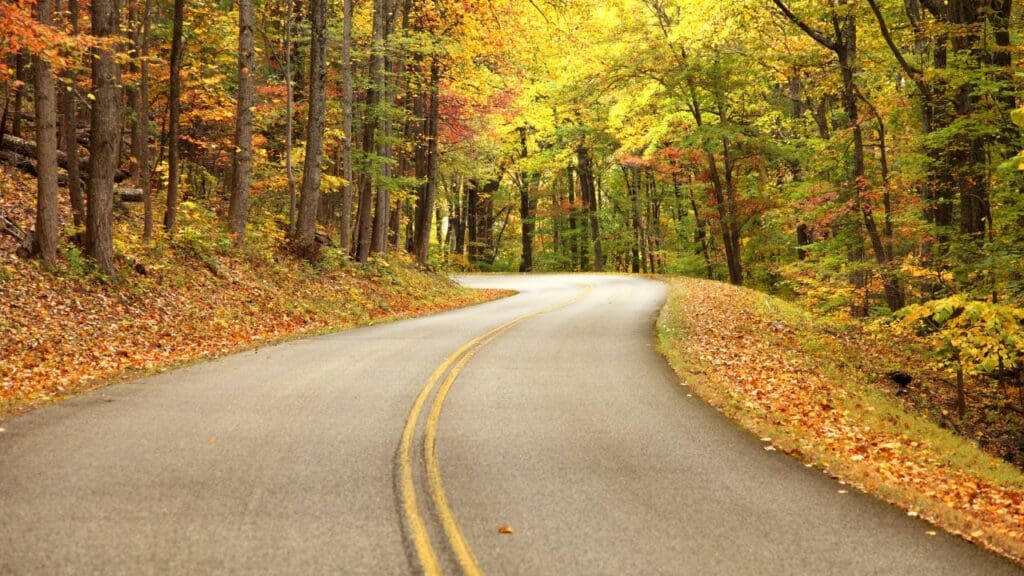
- Fall (September to November): Fall is arguably the most popular time to visit the Parkway, as the mountains explode with color during peak foliage season. The changing leaves create stunning vistas, making every overlook a photo-worthy stop.
- Winter (December to March): While some portions of the Parkway may be closed due to snow and ice, winter offers a quieter, more serene experience. The snow-dusted mountains and frosty air provide a magical setting for those seeking solitude.
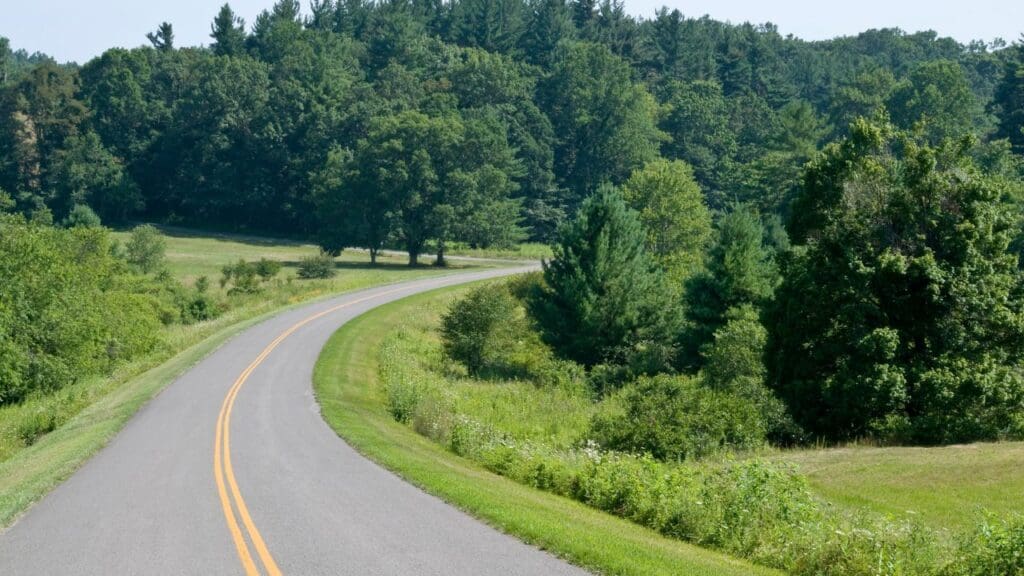
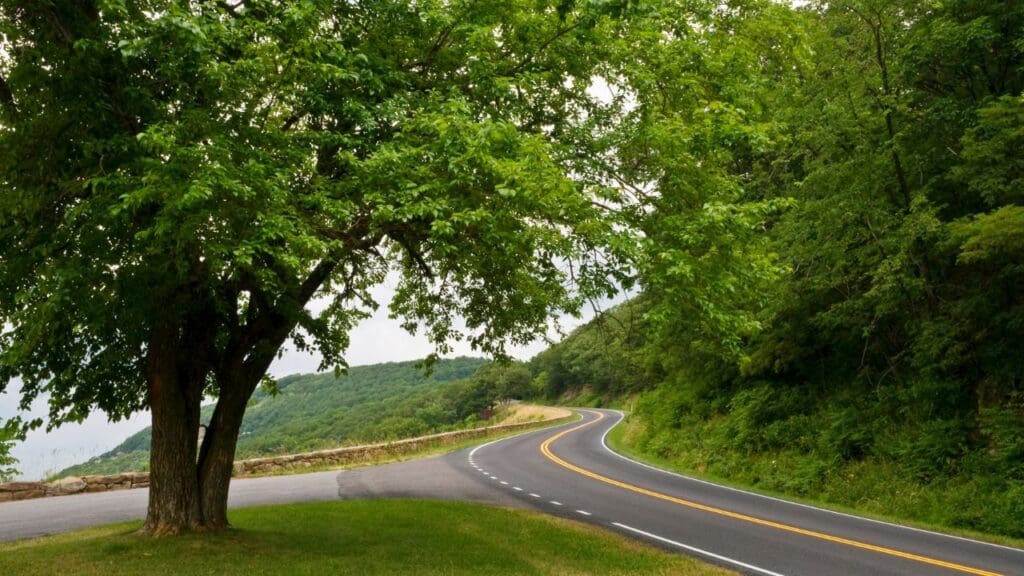
Photos:
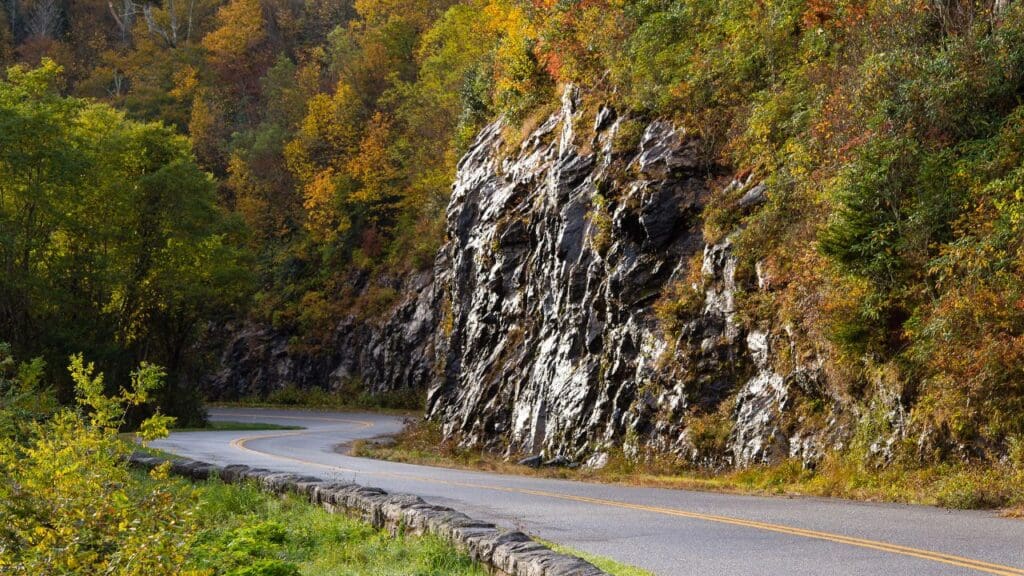
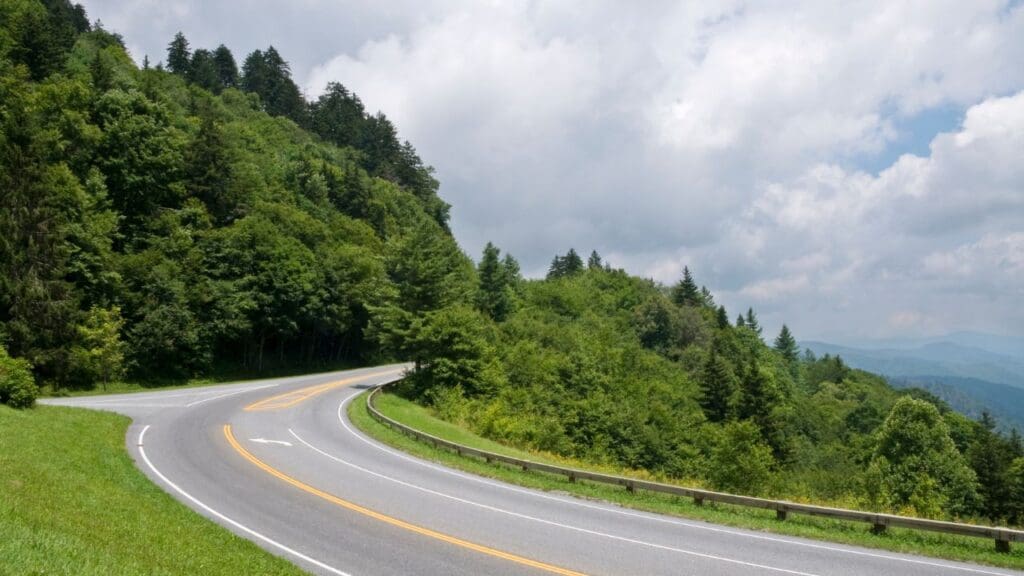
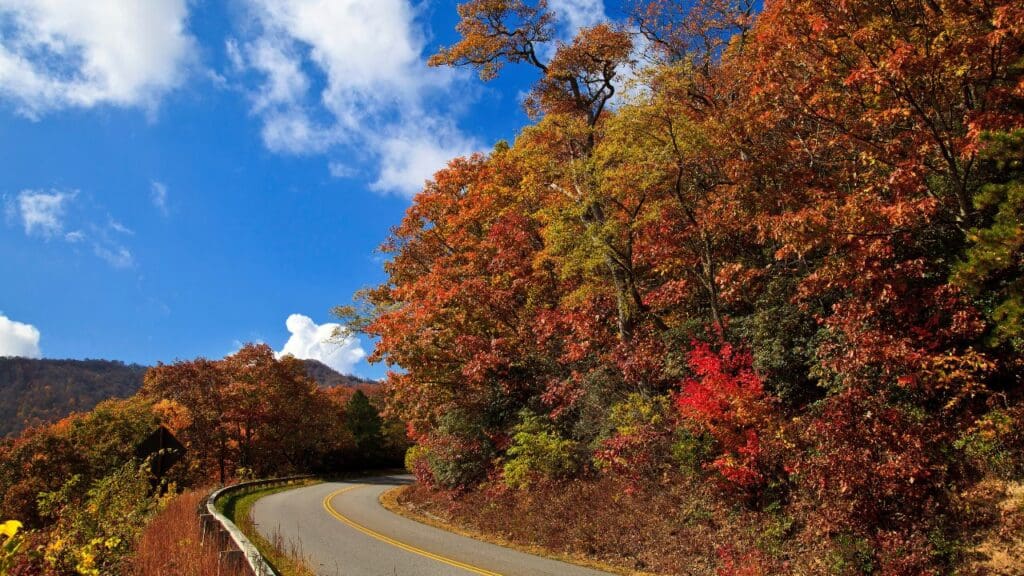
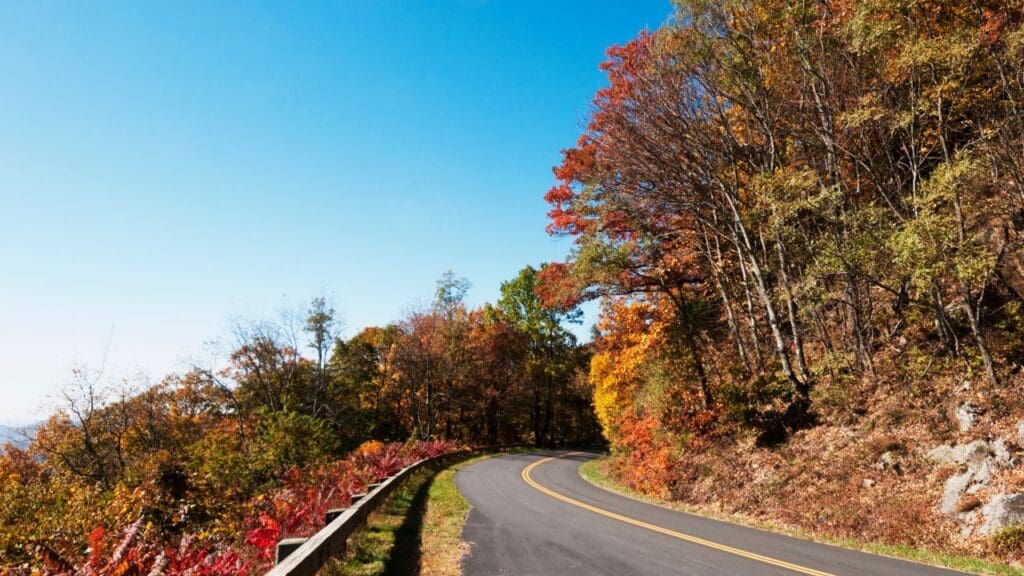

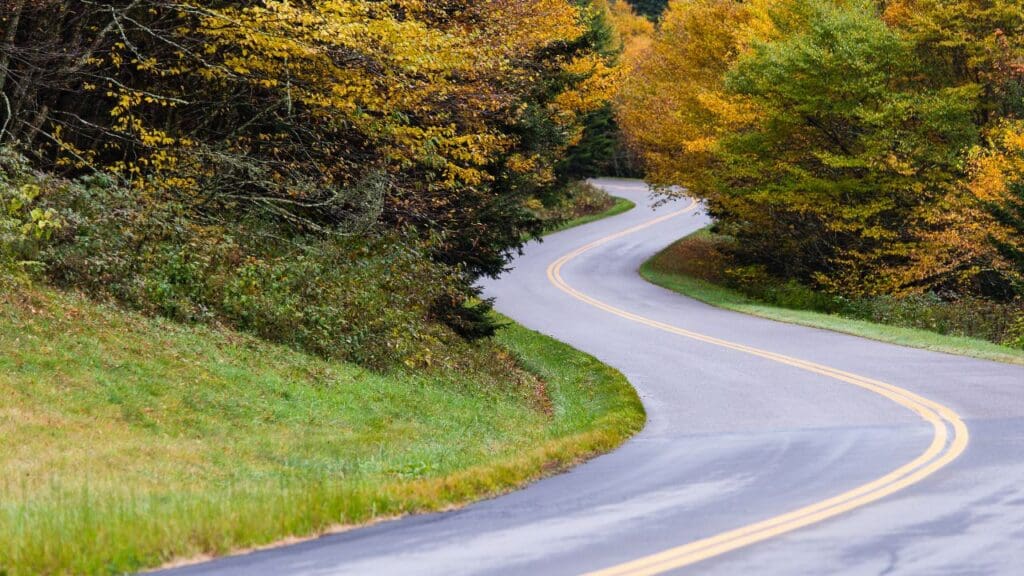

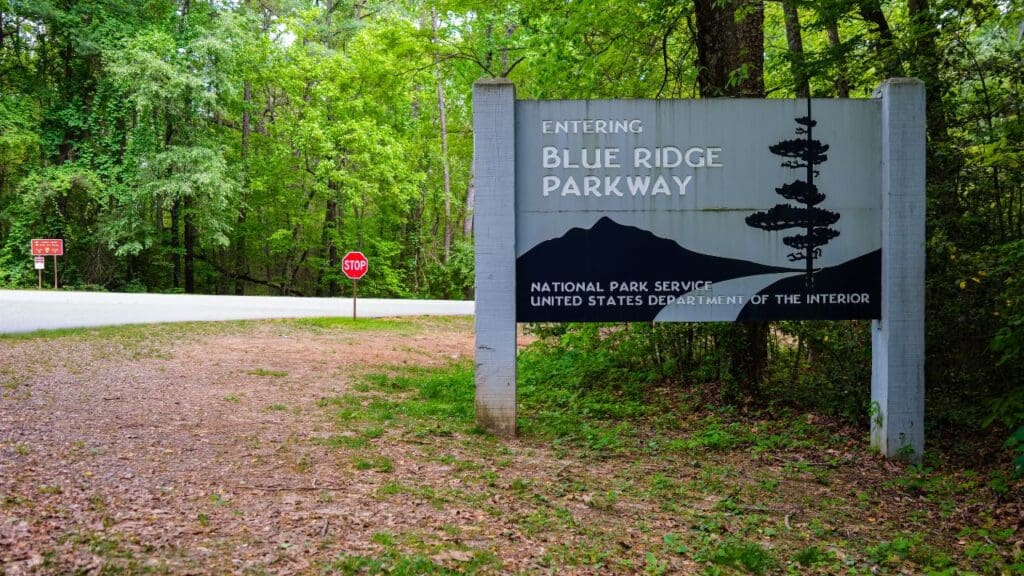
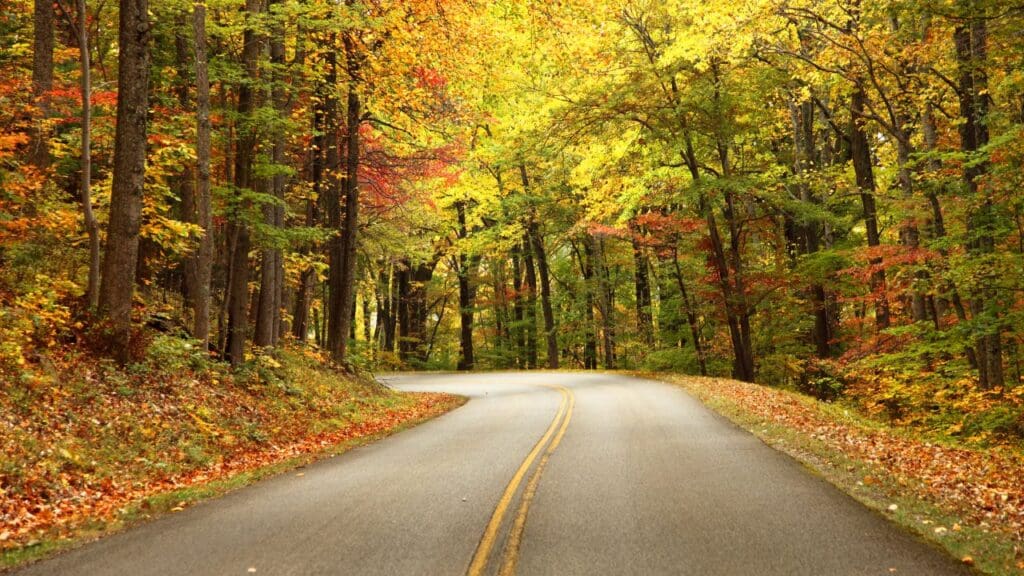

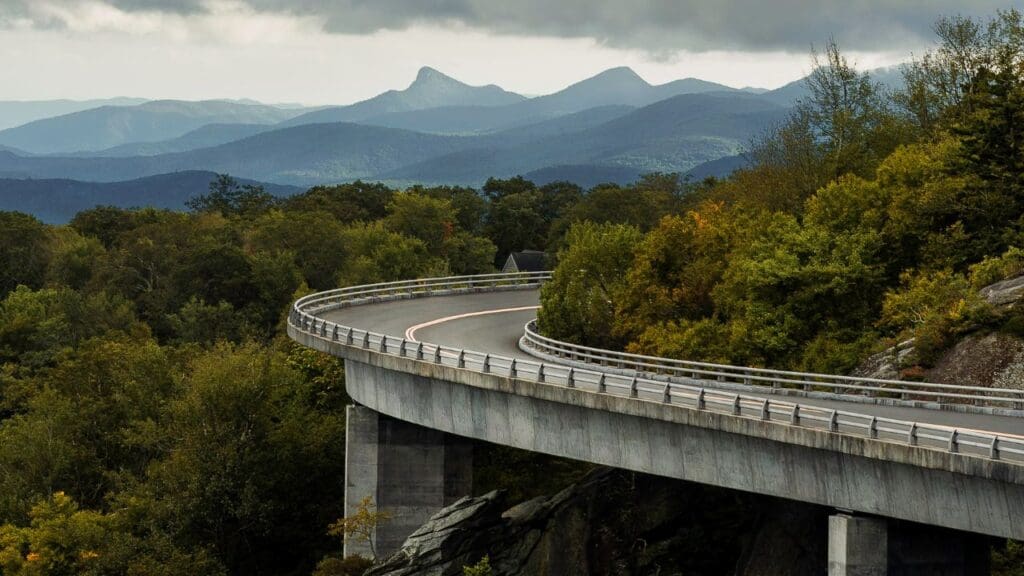
Road details:
- Speed Limit: The speed limit on the Parkway is typically 45 mph, allowing for a relaxed, scenic journey.
- Length: 469 miles, running from Rockfish Gap, Virginia, to Cherokee, North Carolina.
- Safety: The road is very swirly in many areas, but there are guardrails in most places.
13 Best Stops Along The Blue Ridge Parkway:
I have a post on the best things to do in the Blue Ridge Mountains that covers a lot of this, but here is a quick overview of the most popular things to check out as you’re driving through the Blue Ridge Parkway. The following list is organized from north of the parkway to the south:
- Milepost 5.8: Humpback Rocks: Humpback Rocks is one of the first major stops on the northern end of the Parkway, featuring a visitor center, historic farm, and a short but challenging hike to Humpback Rocks for panoramic views of the Shenandoah Valley.
- Milepost 61, James River & Otter Creek: The lowest point on the Parkway, James River, is a great spot for a picnic or a leisurely stroll along the water. There’s a restored canal lock, a footbridge, and trails that run alongside the river.
- Milepost 213, Blue Ridge Music Center: Learn about the region’s rich musical history at the Blue Ridge Music Center, which offers exhibits on the roots of Appalachian and Bluegrass music, as well as live performances during the summer months.
- Milepost 294, Moses H. Cone Memorial Park: This 3,500-acre estate features the historic Flat Top Manor and miles of carriage trails for hiking and horseback riding. The grounds are beautiful and perfect for an afternoon picnic.
- Milepost 316.4, Linville Falls: Linville Falls is one of the most popular attractions on the Parkway. A moderate hike takes you to several viewpoints of the majestic waterfall as it plunges into the Linville Gorge.
- Milepost 355, Mount Mitchell: Mount Mitchell is the highest peak east of the Mississippi River, standing at 6,684 feet. You can drive to the summit or hike one of the trails to enjoy the incredible panoramic views.
- Milepost 408.6, Mount Pisgah: The area around Mount Pisgah offers excellent hiking, camping, and a historic lodge where you can stay overnight. The summit hike is moderately challenging and offers rewarding views at the top.
- Milepost 469, Oconaluftee Visitor Center: Located at the southern end of the Parkway, the Oconaluftee Visitor Center provides insight into the cultural and natural history of the Smoky Mountains. Nearby, the Mountain Farm Museum offers a look into early settler life in the region.
- Grandfather Mountain State Park (one of the most popular parks near the Blue Ridge Parkway)
- Smoky Mountains National Park (the most popular national park in the US)
- Gatlinburg (popular town with attractions located near Smoky Mountain National Park)
- Blue Ridge Viaduct (located in the Virginia end of the drive, it is a beautiful zigzag bridge you can cross, see beautiful views from and even check out nearby hikes and waterfalls)
- Traveler reviews: See visitor rrecommendations
Hikes along the drive:
The Blue Ridge Parkway is a hiker’s paradise, with trails ranging from easy walks to strenuous backcountry adventures. For first-time visitors, here are some notable trails to explore (again, this list is organized from the northern end of the drive to the southern end):
- Humpback Rocks Trail (Milepost 5.8): This short but steep 2-mile round-trip hike rewards hikers with incredible views of the Shenandoah Valley.
- Otter Creek Trail (Milepost 60.8): This easy 3.5-mile trail runs along Otter Creek and is great for families or anyone looking for a leisurely nature walk.
- Crabtree Falls Trail (Milepost 339.5): This moderate 2.5-mile loop trail takes you to the picturesque Crabtree Falls, one of the Parkway’s most scenic waterfalls.
- Mount Pisgah Trail (Milepost 407.6): A challenging 3-mile round-trip hike leads you to the summit of Mount Pisgah, where you can enjoy panoramic views of the surrounding mountains.
Wildlife and Nature:
The Blue Ridge Parkway is home to a diverse range of wildlife, including black bears, white-tailed deer, wild turkeys, and over 200 species of birds. As you drive along the Parkway or explore its trails, keep an eye out for these animals, but remember to maintain a safe distance, especially with black bears. Wildflowers, shrubs, and trees are abundant, especially in the spring and fall. In the spring, look for wild azaleas and rhododendrons, while fall brings a riot of color to the forested landscape.
Visitor Centers and Facilities:
The Parkway features several visitor centers where you can learn about the region’s history, get maps, and plan your visit. Each center offers unique exhibits and amenities (organized north to south):
- Humpback Rocks Visitor Center (Milepost 5.8): Offers information on the early European settlers and the natural history of the area.
- Peaks of Otter Visitor Center (Milepost 86): Provides exhibits on the geology and ecology of the Peaks of Otter area, as well as access to nearby hiking trails.
- Blue Ridge Parkway Visitor Center (Milepost 384): Located in Asheville, this center features interactive exhibits and an orientation video about the Parkway.
Tips for First Time Visitors:
- Plan Your Stops: With 469 miles to explore, it’s essential to plan your stops ahead of time. Decide which attractions, overlooks, and trails you want to visit to make the most of your trip.
- Fill Up on Gas: There are no gas stations directly on the Parkway, but there are many exit points throughout next to towns which have them.
- Poor reception: Cell phone reception throughout the Blue Ridge Parkway is usually poor so keep this in mind.
- Pack Food and Water: While there are some dining options along the Parkway, they are few and far between. Pack snacks, water, and a picnic lunch to enjoy at one of the many scenic overlooks.
- Check the Weather: The weather can change quickly in the mountains, so be prepared for varying conditions. In the higher elevations, temperatures can be significantly cooler than at lower points.
- Stay on the Trails: When hiking, always stick to designated trails to preserve the natural environment and ensure your safety.
Lodging/hotel info:
If you want to spend the night along the Parkway, there are several options:
- Hotels: See popular hotel options
Keep in mind there are also campsites and cabins you can rent. Campsites are typically available near the road, while cabins are outside/near it. I would recommend planning ahead with the lodging as this drive is very popular, and some of the most popular towns/hotels near it are often booked, so if you plan to stay anywhere around the area, book in advance!
Related: