
Cabot Trail Nova Scotia: First Time Visitor Guide
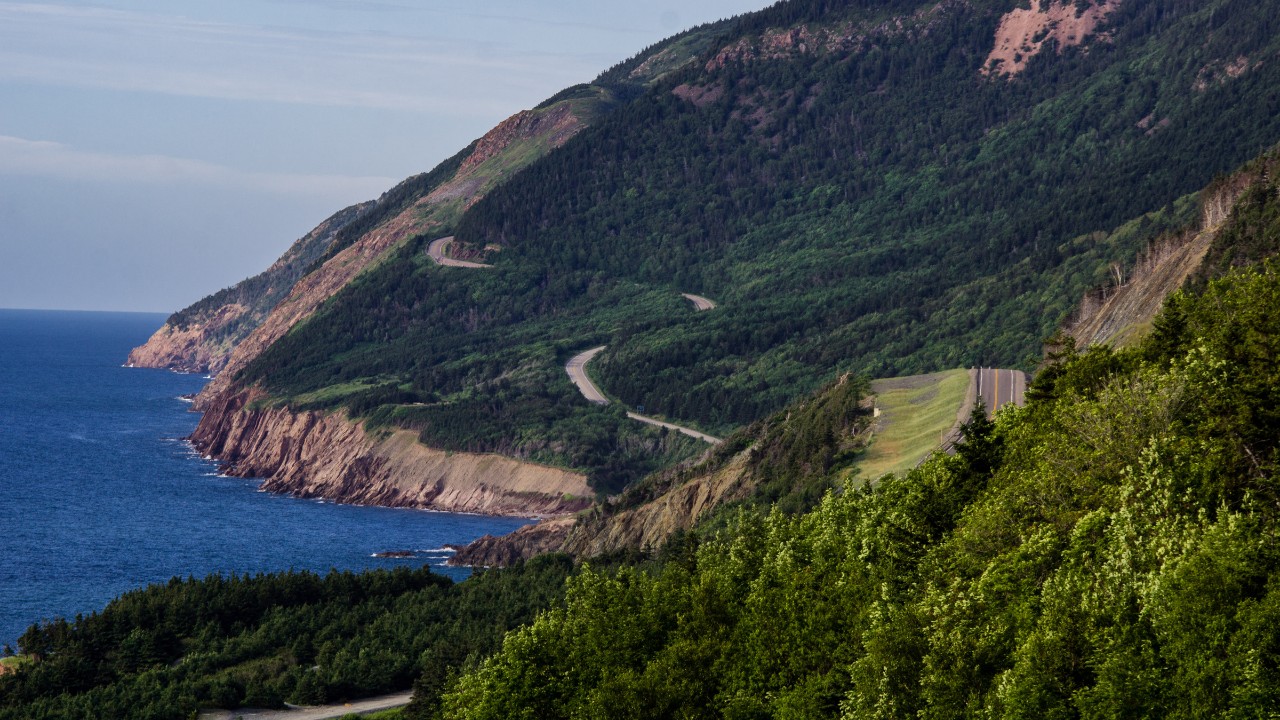
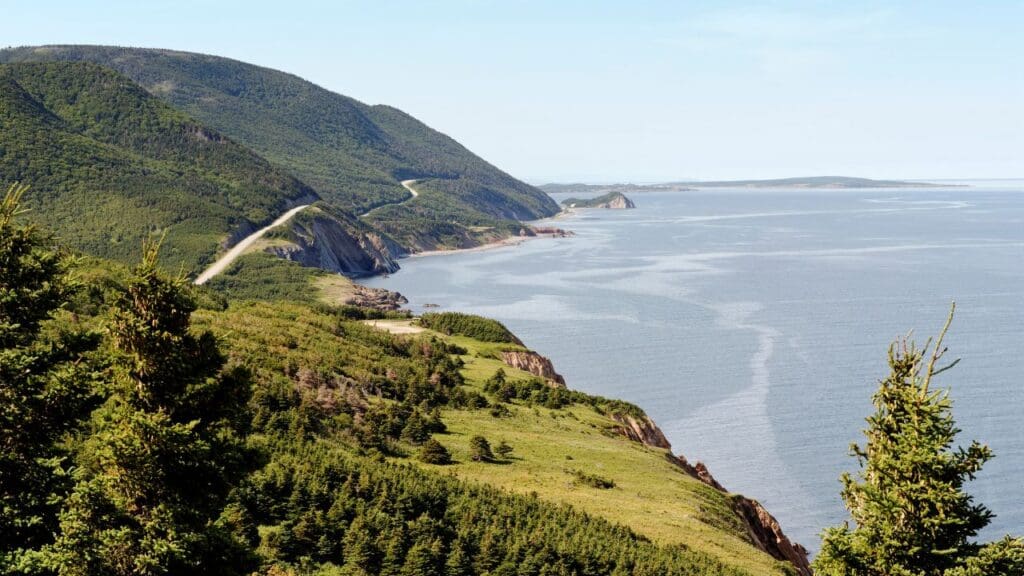
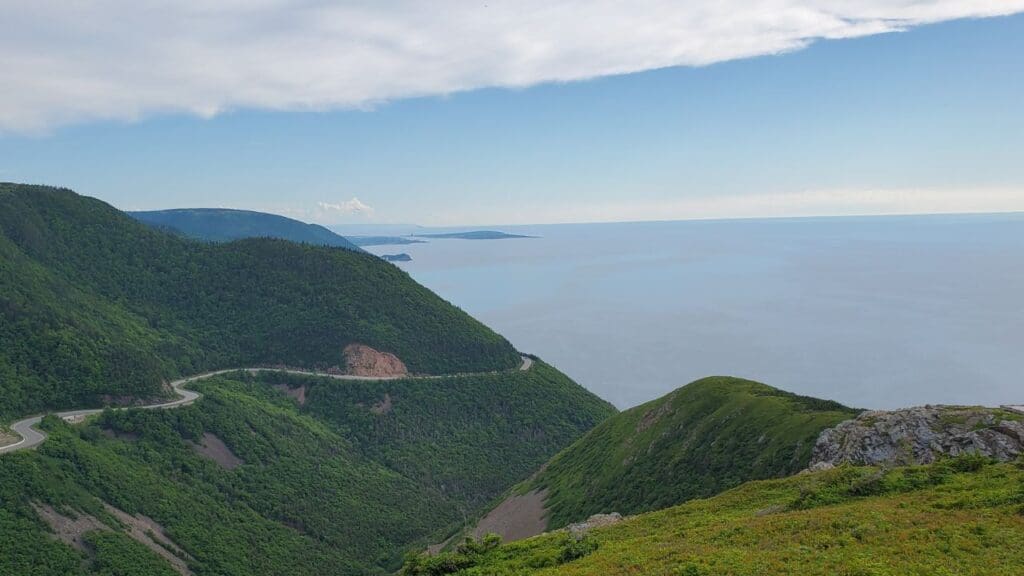
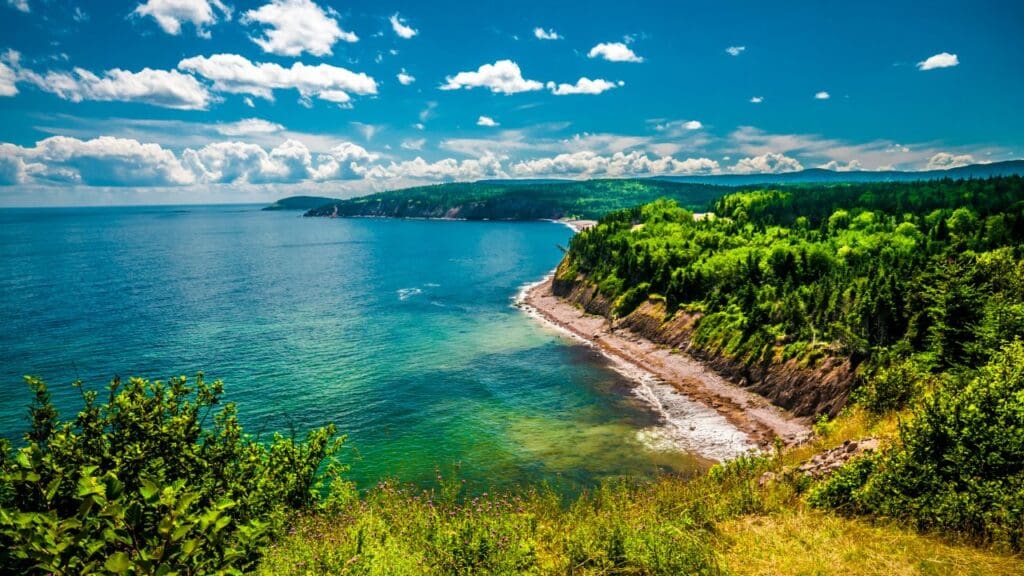
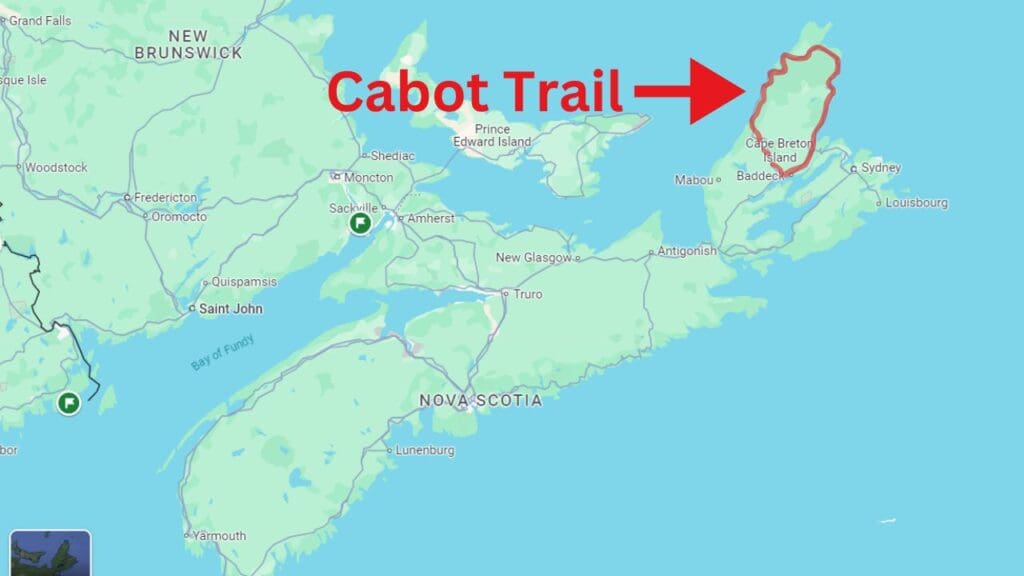
The Cabot Trail Nova Scotia is located on Cape Breton Island in Canada and is one of the most scenic drives in all of Canada and arguably the world. This near 200 mile loop winds along the island’s rugged coastline, through charming fishing villages, lush forests, and the breathtaking Cape Breton Highlands National Park. The trail offers panoramic views of the Atlantic Ocean, opportunities for hiking and wildlife viewing, and a chance to experience local culture and cuisine. This guide will help first-time visitors make the most of their journey along the Cabot Trail!
Basic info:
- Name: Cabot Trail
- Location: Cape Breton Island, Nova Scotia
- Length: 185 miles
- Hotels? See best options
- Reviews: Read reviews/recommendations
Getting There:
The Cabot Trail is situated on Cape Breton Island, which is accessible by road from mainland Nova Scotia.
- By Car: The trail is typically accessed from Sydney, which is the largest city on Cape Breton Island and a 1.5-hour drive from the Canso Causeway, the gateway to the island. From Halifax, it takes about 4 hours to reach the trailhead.
- By Plane: The nearest airport is JA Douglas McCurdy Sydney Airport (YQY), located in Sydney. From there, you can rent a car to explore the Cabot Trail. Check flights/pricing.
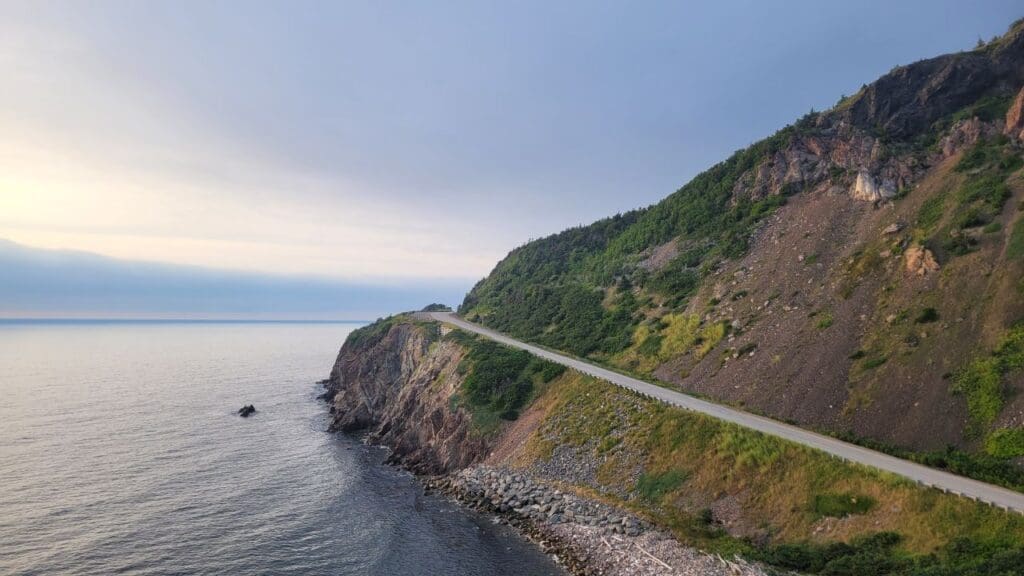
- Starting Points: The Cabot trail is a loop, so it can be started from various points. The most common starting points are Baddeck, Chéticamp, and Ingonish. My advice is to travel east to west as in my opinion, the western side of the Cabot Trail is prettier, so you save the best for last.
Photos:
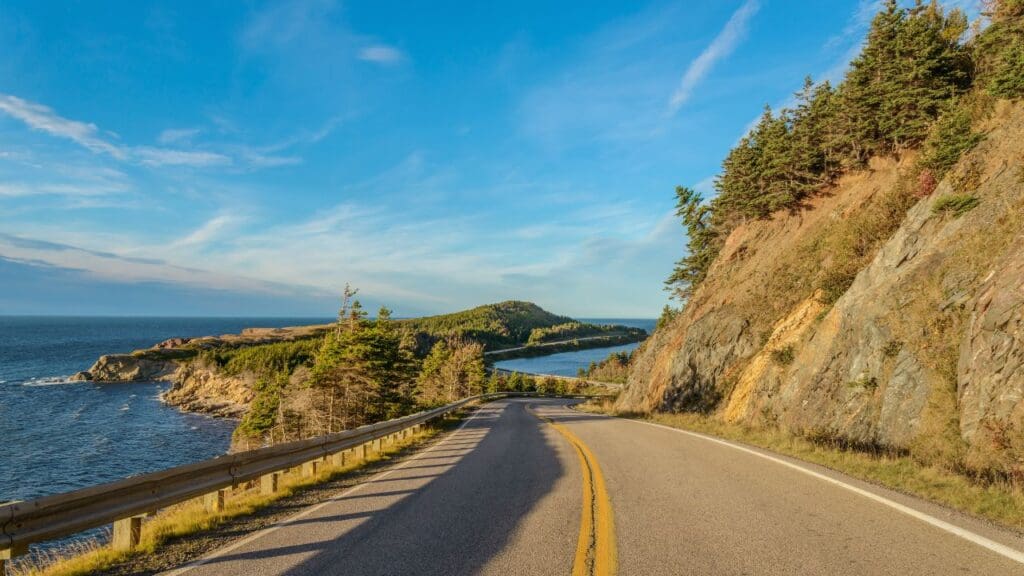
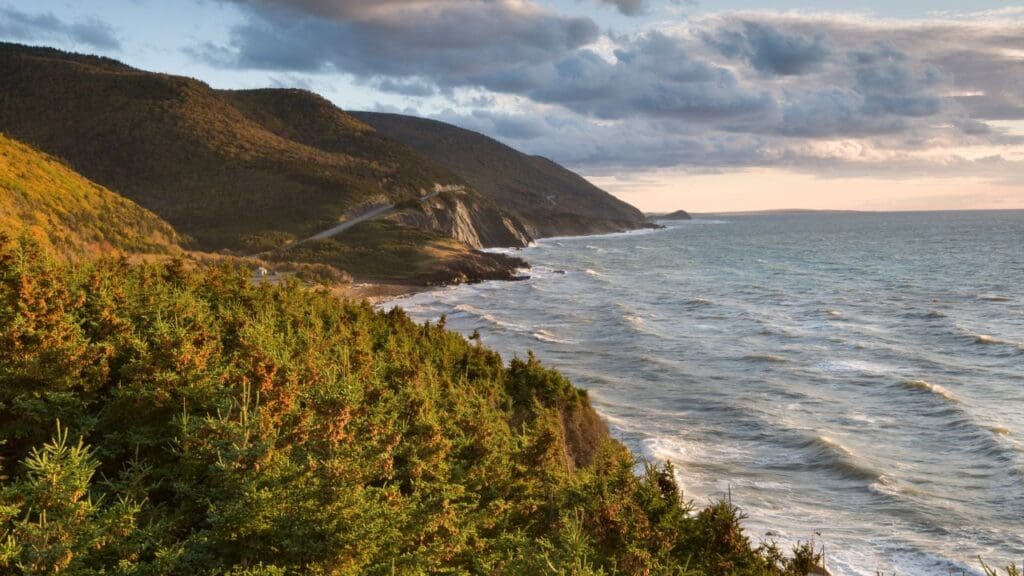
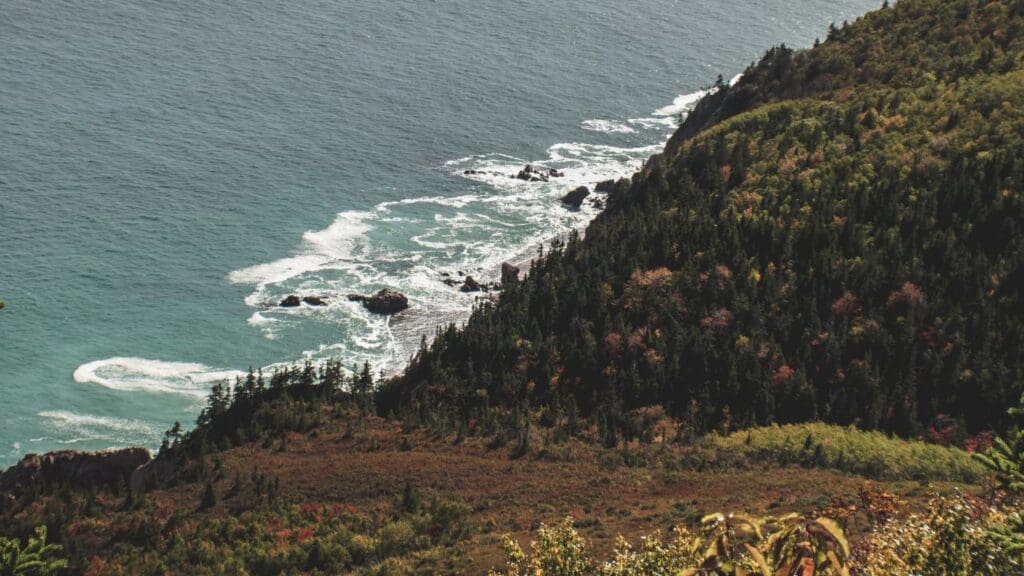
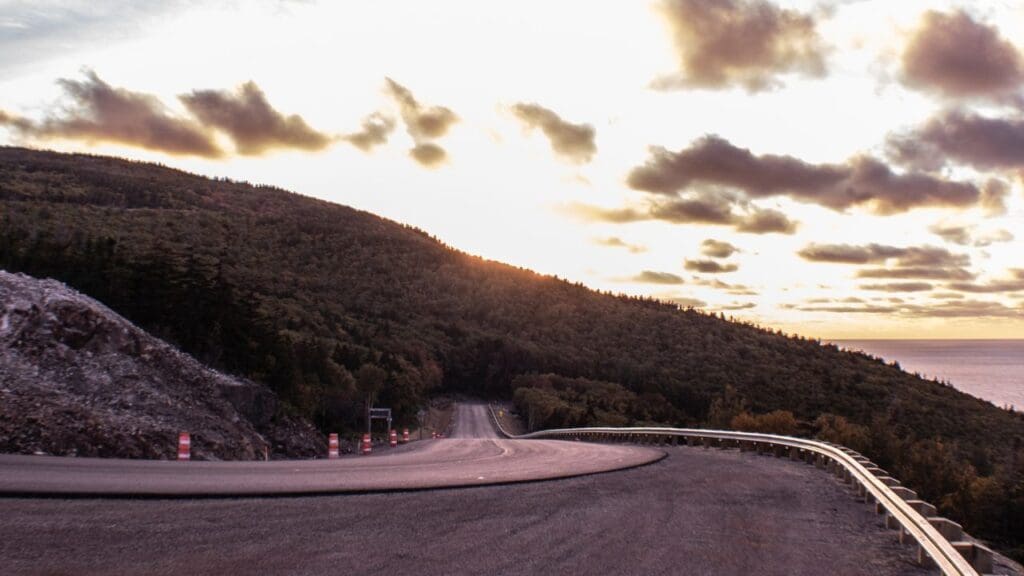
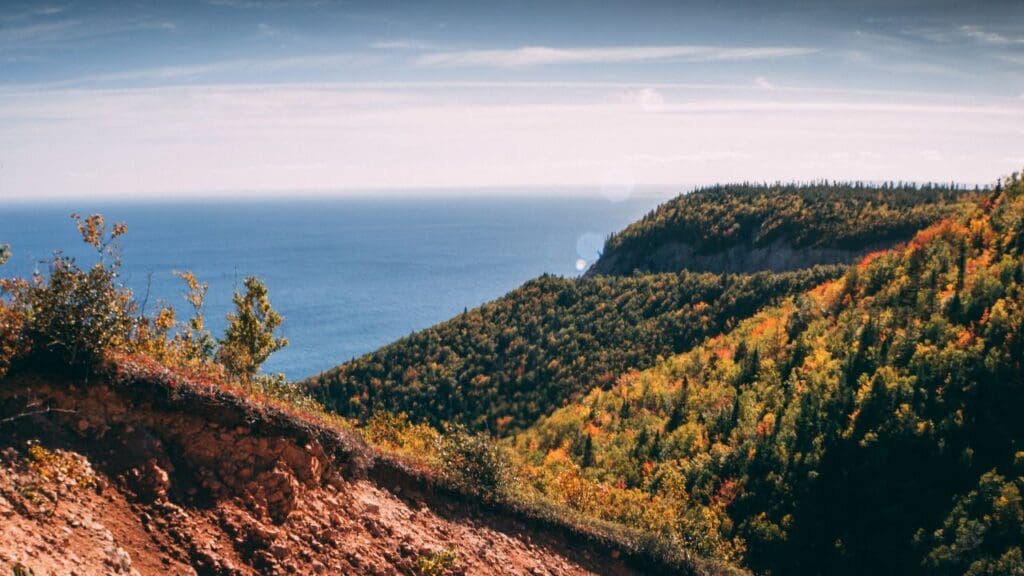
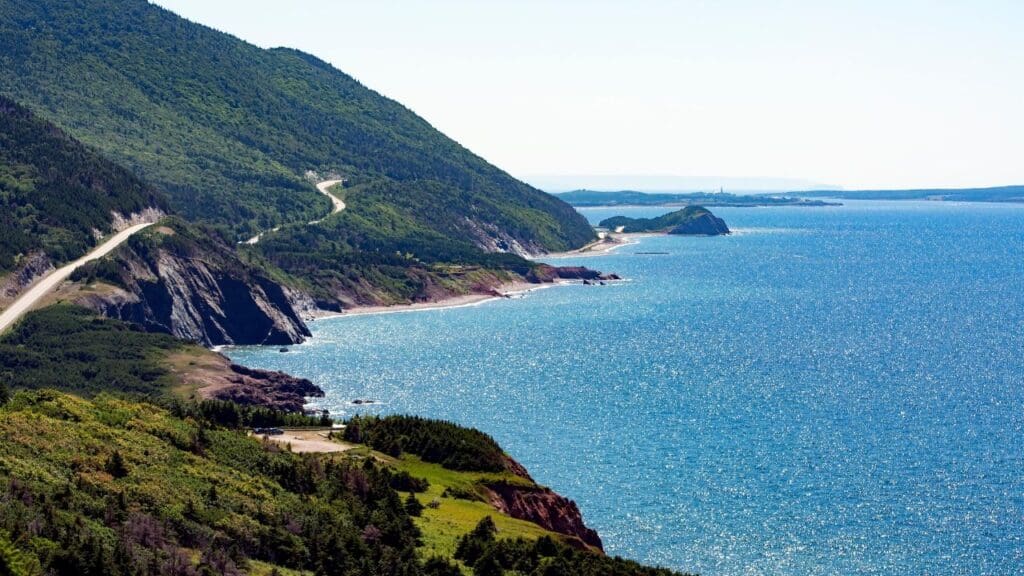
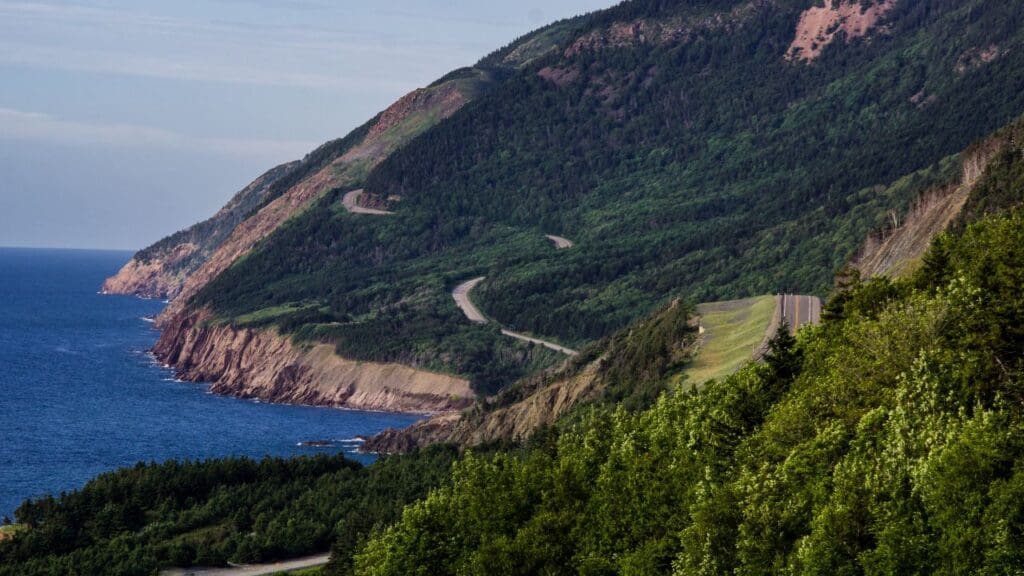
Best Time to Drive it:
- Spring (May to June): Spring brings mild temperatures and blooming wildflowers, making it a wonderful time for hiking and exploring nature trails. It’s a quieter season, with fewer crowds.
- Summer (July to August): Summer is the most popular time to visit, with warmer temperatures ranging from 60°F to 75°F (15°C to 24°C). This is the best season for outdoor activities, including hiking, kayaking, and whale watching.
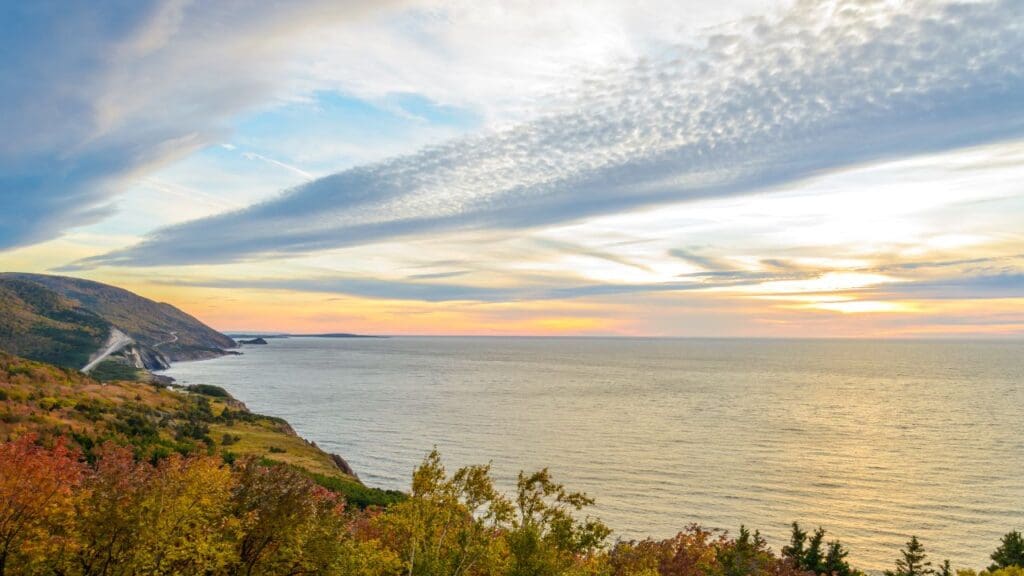
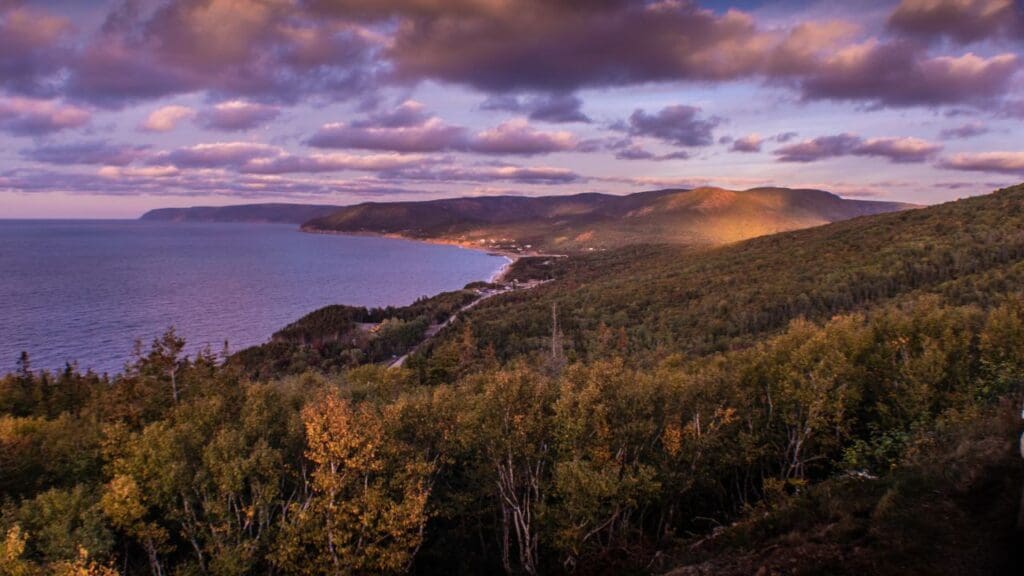
- Fall (September to October): Fall is arguably the best time to experience the Cabot Trail, as the landscape transforms into a sea of red, orange, and yellow foliage. Temperatures are cool and comfortable, ranging from 50°F to 65°F (10°C to 18°C). The fall colors typically peak in early October.
- Winter (November to April): While some sections of the trail may be less accessible due to snow, winter offers opportunities for cross-country skiing, snowshoeing, and winter hiking in Cape Breton Highlands National Park. The snow-covered landscapes provide a serene and picturesque experience.
Top Sights to Explore:
Along the drive, The Cabot Trail is filled with must-see spots and attractions that capture the natural beauty and culture of Cape Breton Island. Here are some of the most noteable stops worth checking out:
Cape Breton Highlands National Park: This national park encompasses a large portion of the Cabot Trail and offers stunning coastal vistas, forested valleys, and highland plateaus. It’s a paradise for hikers, wildlife enthusiasts, and photographers.
-
- Skyline Trail: A 4-5 mile round trip trail (moderate). The Skyline Trail is one of the most popular hikes on the trail, leading to a dramatic clifftop viewpoint overlooking the Gulf of St. Lawrence. It’s an excellent spot for sunset photography and whale watching.
- Middle Head Trail: A 2.4 mile round trip trail that offers a scenic hike along a peninsula with panoramic views of the Atlantic Ocean and rugged coastline.
Chéticamp: This vibrant Acadian fishing village is a great place to immerse yourself in local culture, music, and cuisine. Known for its traditional Acadian heritage, Chéticamp offers colorful houses, unique handicrafts, and delicious seafood.
-
- Les Trois Pignons: This cultural center and museum showcases Acadian history, rug hooking, and local crafts. It’s a great stop for learning about the Acadian heritage of Cape Breton Island.
Pleasant Bay: Located along the northern part of the trail, Pleasant Bay is known as the “Whale Watching Capital of Cape Breton.” The area offers several boat tours that provide opportunities to see minke, humpback, and pilot whales, as well as seals and seabirds.
Whale Watching Tours: Join a guided boat tour to experience close encounters with whales in the waters of the Gulf of St. Lawrence. Tours are offered from June to October. See popular options.
Ingonish Beach: Ingonish Beach is a beautiful sandy beach located within Cape Breton Highlands National Park. It’s a popular spot for swimming, picnicking, and kayaking.
Baddeck: This charming village on the shores of Bras d’Or Lake is a popular starting and ending point for the Cabot Trail. It’s known for its sailing culture and connection to Alexander Graham Bell, who spent his later years here.
Alexander Graham Bell National Historic Site: Visit this museum dedicated to the inventor’s life and work, showcasing exhibits on Bell’s inventions, including the telephone and early aviation.
Meat Cove: At the northern tip of the Cabot Trail, Meat Cove is one of the most remote and scenic spots along the route. It offers dramatic cliffs, rugged landscapes, and ocean views. There’s several trails in Meat Cove that lead to breathtaking viewpoints, with opportunities to see seals, seabirds, and even moose.
Margaree Valley: Known for its rolling hills and lush countryside, Margaree Valley is famous for its salmon fishing and vibrant fall foliage.
Margaree Salmon Museum: This small museum provides insight into the history and culture of salmon fishing in Cape Breton.
More popular stops: Here’s some other noteworth stops that I went through when I explored the Cabot trail:
- Clucking Hen Cafe
- Black Brook Clove Beach
- Beulach Ban Falls
- Egypt Falls
Restaurants And Accomodations:
There’s more than a few places to eat and stay at along the Cabot Trail. I’ve compiled the most recommended options below:
Tips for First-Time Visitors:
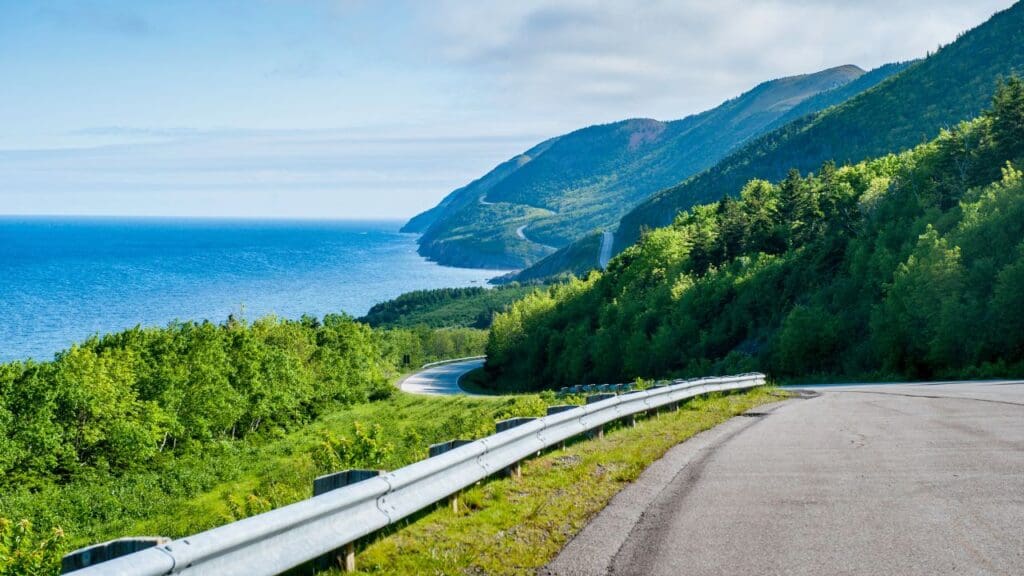
- Drive Carefully: The Cabot Trail has winding roads, steep grades, and sharp curves, so drive carefully and allow plenty of time for stops along the way.
- Check the Weather: Weather can change rapidly on Cape Breton Island, so pack layers and be prepared for rain, fog, or cool winds, even in summer.
- Fuel Up: Gas stations can be sparse along the trail, so fill up your tank in larger towns like Baddeck or Chéticamp before heading into more remote areas.
- Plan for Two to Three Days: While it’s possible to drive the Cabot Trail in a day (I’ve done it), taking two to three days allows you to fully appreciate the scenery, hiking trails, and local culture, something I wish I was able to do.
Final things to know:
The Cabot Trail offers an unforgettable journey through Cape Breton Island’s natural beauty and cultural heritage. Whether you’re hiking to scenic viewpoints, sampling fresh seafood, or exploring quaint villages, this iconic route has something for everyone!
Related:


Thank you for sharing your trip to Cabot Trail. It sounds like you really had a great time. I appreciate you linking to Cape Brendon Island too because we are planning to take a trip there in the area this Summer/Fall.
I’m sure you had a good breakfast overlooking the Atlantic Ocean. Were you in the area where the cliffs are at?
I have always wanted to stand on the edge and take photos. I will make sure to spend more time on the Western side of the island. Can Americans drive their car on Canada roads, or will I need a special driver license?
You can get into Canada in your own vehicle LeNard, you just have to go through the border crossing. And yes, I was spending most of my time on the western side of the Cabot Trail, which is where most of the scenic (and mountainous) views are.
Wondering how you can have an article about the Cabot Trail, updated in August, and not mention the gondola?
Hi Elizabeth, the original article date was years ago (it updates to whatever date when I make changes to the article) and I never went on the gondola and to be honest never heard about it until you mentioned it. But I looked this up and will be adding it as an extra thing to see. Thanks!